

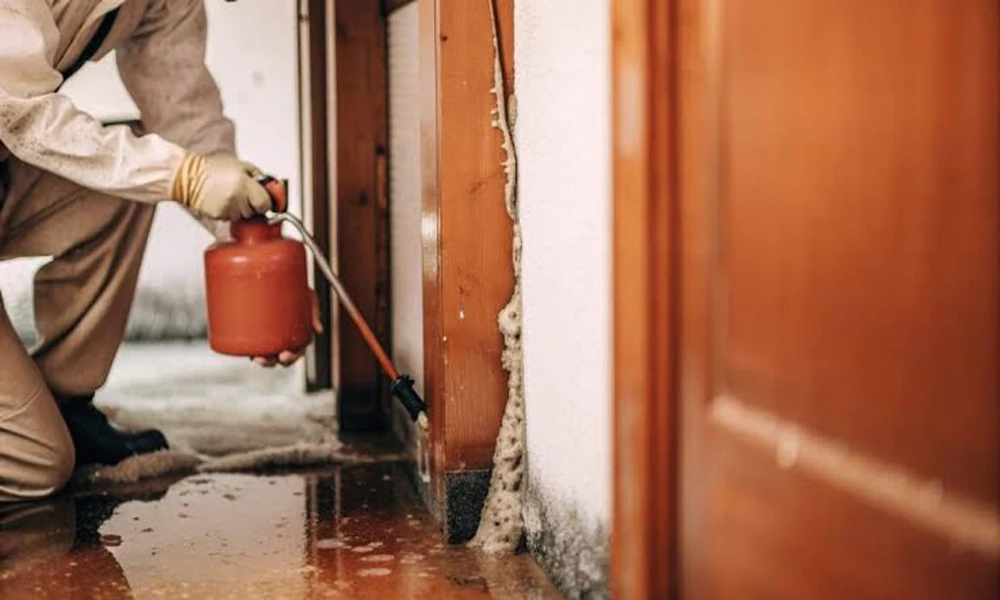
In a damp, warm region, water damage behaves differently than it does in a dry one. Humid air slows evaporation, which means wet materials take longer to dry and mold has more time to take hold. Homeowners along the Gulf Coast know that moisture is a constant adversary, and it becomes an urgent one after a leak, storm, or flood.
Effective water damage cleanup in these conditions depends on moving fast, drying thoroughly, and watching for the hidden effects that show up days or weeks later. Here’s what to know.
Why Humidity Changes Everything
Drying works by moving moisture from wet materials into the air and then removing that moisture from the air. When outdoor humidity is already high, simply opening windows can make things worse by letting in even more moisture. That is why professionals rely on closed-system drying, using dehumidifiers and controlled airflow to lower the humidity inside the home.
In a warm, humid environment, mold can begin to develop within a day or two. Warmth and moisture are exactly what it needs. This compressed timeline is why waiting even a short while can turn a manageable cleanup into a larger remediation project.
Common Causes of Water Damage in Humid Regions
Water enters homes in many ways, and humid regions face some specific risks:
- Storms and flooding: Heavy rain, wind-driven water, and rising water levels can enter through roofs, windows, and doors.
- Roof leaks: Storm-damaged shingles or flashing allow water into attics and ceilings, where it can go unnoticed.
- Plumbing failures: Burst pipes, failed supply lines, and leaking water heaters can release large volumes quickly.
- Appliance malfunctions: Dishwashers, washing machines, and refrigerator ice-maker lines are frequent culprits.
- HVAC condensation: Clogged drain lines or failing air conditioners can leak slowly and cause hidden damage.
The First Hours Matter
When water appears, begin with safety. Shut off power to affected areas if you can do so safely, stop the water source, and keep everyone away from contaminated water. Then focus on limiting the spread of moisture.
Remove small amounts of standing water, lift wet items off floors, and take photos for your insurance claim. For anything more than a minor spill, call professionals who have the equipment to extract water and begin structural drying immediately.
How Professional Drying Works
Surface-level drying isn’t enough. Water travels into wall cavities, beneath flooring, and into insulation where you can’t see it. Professionals use:
- Moisture meters to measure moisture content in building materials
- Thermal imaging to locate hidden wet areas
- Air movers to circulate air across wet surfaces
- Commercial dehumidifiers to pull moisture out of the air
- Injectidry or wall-cavity drying systems to dry enclosed spaces without demolition when possible
Technicians monitor readings daily and adjust equipment until materials reach acceptable dryness. In humid weather, this process can take longer, so patience and monitoring matter.
Preventing Mold After Water Damage
Mold prevention is a central part of water damage recovery. Key steps include:
Dry quickly and completely. The faster moisture is removed, the less opportunity mold has.
Remove unsalvageable materials. Wet carpet padding, soaked insulation, and saturated drywall are common mold sources. Removing them early is often better than trying to save them.
Control indoor humidity. After the structure is dry, keep indoor humidity in a healthy range, generally below about 50 percent, using air conditioning and dehumidifiers.
Clean and treat surfaces. Antimicrobial treatments can help, especially after contaminated water.
Monitor for signs. Musty odors, discoloration, peeling paint, or warped materials may indicate lingering moisture. Address them promptly.
What About Belongings?
Furniture, clothing, books, and electronics are often among the most upsetting losses. Some items can be saved with quick action. Hard, nonporous items can usually be cleaned and dried. Textiles may be launderable. Documents and photographs can sometimes be stabilized by freezing and then professionally restored. Electronics that have been exposed to water should not be powered on until inspected.
Soft furnishings and mattresses exposed to contaminated water are typically not worth the risk of keeping. A restoration professional can help you sort what to save and what to discard.
Working With Your Insurance Company
Contact your insurer as soon as possible. Ask about coverage for water damage, whether flood damage is covered separately, and what documentation is needed. Many standard homeowners policies do not cover rising flood water, which usually requires a separate flood policy, so it’s worth understanding your coverage before an emergency.
Document everything with photos and videos, keep receipts for emergency expenses, and keep a list of damaged belongings. Detailed records make claims smoother and help avoid disputes.
Rebuilding and Repairs
After drying is verified, repairs can begin. This may include replacing drywall, insulation, flooring, and trim, as well as painting and refinishing. In some cases, structural elements need attention. Choose materials and methods that resist moisture where practical, such as water-resistant drywall in vulnerable areas or tile in place of carpet in rooms prone to dampness.
Reduce Your Risk for the Future
Once the crisis is over, consider improvements that reduce future risk:
- Inspect and maintain your roof, especially before storm season
- Keep gutters and downspouts clear and directed away from the foundation
- Check hoses and supply lines on appliances and replace aging ones
- Install water-leak sensors near water heaters, washing machines, and under sinks
- Service your air conditioner regularly and clear drain lines
- Know where your main water shutoff is and make sure everyone in the household does too
Final Thoughts
Water damage in a humid climate demands speed, thoroughness, and careful follow-up. Because moisture lingers and mold grows quickly, the choices you make in the first day or two carry lasting consequences. Take safety seriously, document the damage, dry completely, and lean on experienced professionals when the situation is beyond a simple cleanup. With prompt action and good preparation, you can protect your home and recover with fewer long-term problems.
