

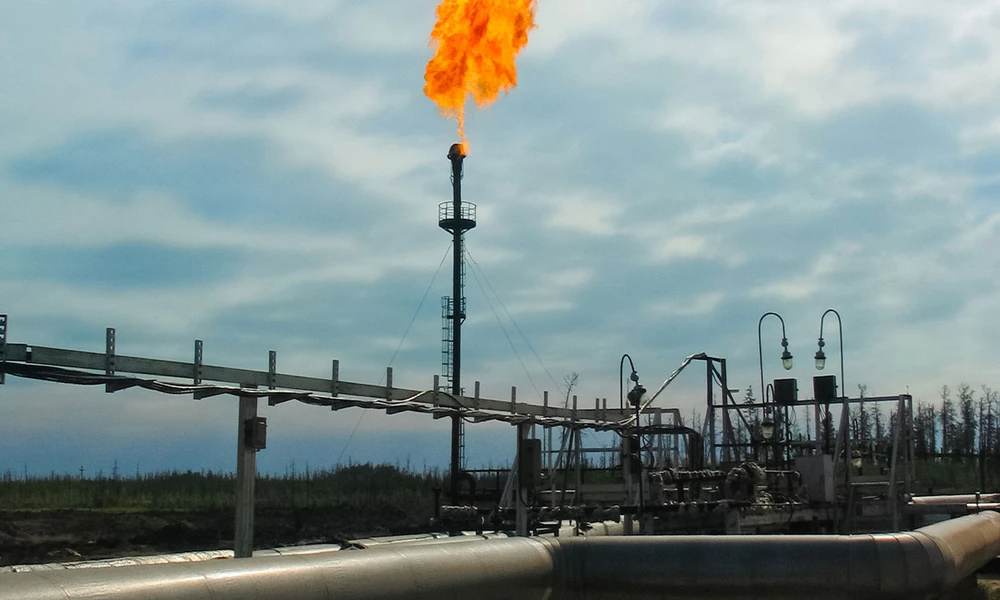
Roughly 140 billion cubic meters of associated petroleum gas burn away in flares annually across global oilfield operations. That torch represents raw balance-sheet capital going up in smoke. Rather than being hit by exorbitant environmental taxes for waste gases from the field, innovative producers connect their raw associated petroleum gas directly to modular small-scale gas-to-power systems. Deploying a reliable flare gas to power system converts a burdensome requirement into self-sufficient electrical energy while cutting site emissions.
Eliminating Diesel Spend with Field-Ready APG Generation
Remote extraction sites typically rely on expensive, logistical diesel supply lines to run heavy machinery. Replacing diesel generators with on-site fuel systems eliminates thousands of gallons in fuel transport costs every week. Treating raw associated gas on location lets well operators run 1.5 MW reciprocating generator sets directly on field gas. You’ll cut power overhead by nearly 60% while stabilizing localized microgrids against unexpected utility drops.
Mitigating Regulatory Penalties via Modular Gas Treatment
Tightening clean air regulations mean routine flaring carries heavy financial fines and operational caps. Efficient scrubbers are used to extract hydrogen sulfide and moisture before entering raw gas into the internal combustion engines.
- H2S Conditioning: Conditioning of sour gas streams to avoid the corrosion of engine cylinders.
- NGL Stripping: Extracts heavy natural gas liquids to sell as premium natural gas condensate.
- Scalable Fleet Deployment: Expands or downsizes generator capacity as wellhead pressure changes over time.
Operational Economics: Waste Gas vs. Onsite Power Conversion
| Operating Parameter | Traditional Diesel/On-Grid Electricity | On-Site APG Upgrading |
|---|---|---|
| Fuel Procurement Costs | $0.85-$1.20 per liter | $0.00 (Waste product stream) |
| Flaring Taxes | High (Tonnage-based carbon taxes) | Low/Miminal to None |
| Power Generation Costs | $0.18 per kWh | $0.04 per kWh |
| Site Microgrid Reliability | Supply dependent | Self-contained |
Securing Electrical Infrastructure and Wellsite Distribution
Field distribution systems require strict safety protocols to handle localized power generation safely. When running temporary high-voltage lines to remote pads, proper earthing and circuit protection prevent dangerous shock hazards. Integrating 30 mA earth leakage detection units and industrial residual current breaker switchgear ensures field workers remain protected from fault currents during continuous operations. Using modular flare gas to power packages guarantees both operational uptime and compliance with strict electrical standards.
FAQs
What quality of raw gas is needed to run power generators?
Conditioning skids scrub moisture, particulates, and hydrogen sulfide, allowing generators to run reliably on rich or sour associated gas.
How do modular units adapt to changing wellhead output?
Modular generator fleets let operators add or remove individual engine units as well as pressure naturally declines over a well’s lifecycle.
Are there no more carbon emissions after converting APG to electricity?
Even though using methane for combustion in engines results in carbon dioxide formation, it cuts carbon emissions by up to 80% compared to an open flare.
What will happen if there is extra power generated in the plant?
It may be used to drive other machinery and drilling rigs and also be sent back to the grid.
Is upfront capital expenditure required for mobile APG power plants?
No, most providers offer lease and OPEX-based operational agreements, eliminating large capital outlays for oilfield operators.
Associated Petroleum Gas monetization affects the approach that producers take for compliance and cost issues. By converting waste gases to produce electricity at the site, producers can turn what is essentially an environmental tax on the producer into an environmentally friendly and inexpensive energy resource. Modular gas recovery units allow producers to retain profit margins, reduce emissions, and provide power to remote well pads.
