

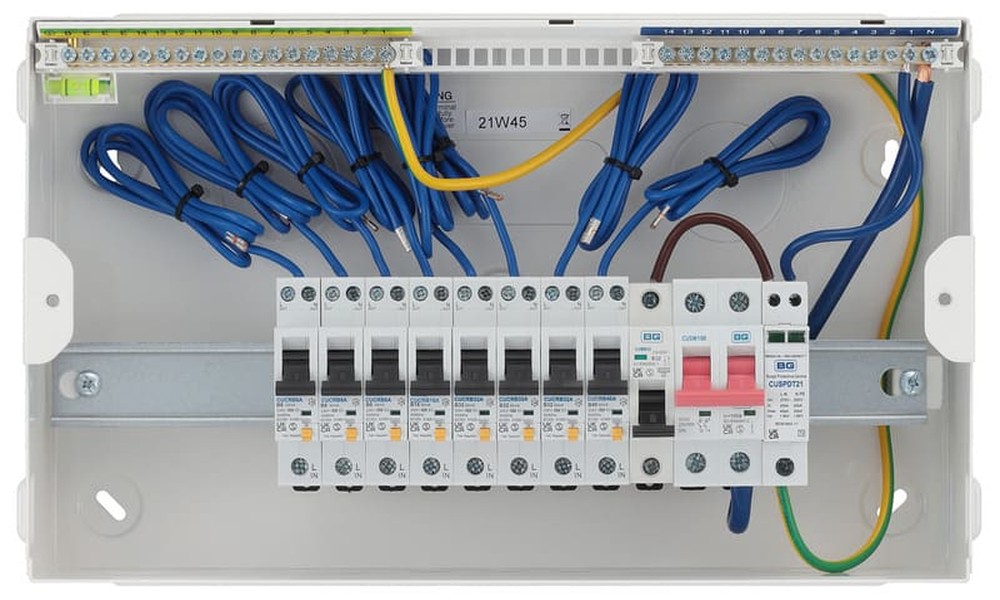
Electrical systems require reliable safety devices to reduce the risk from well-selected RCBOs caused by faults. A suitable protection unit helps maintain stable operation while preventing unnecessary interruptions. Selecting the right device becomes important when equipment operates under demanding conditions. Understanding key functions allows businesses to make better choices for long-term reliability.
The rcbo combines guard against overloads, short circuits, and leakage responsibilities within a single unit. This makes it useful for systems that need reliable performance and effective fault management. Selecting the correct option involves reviewing numerous features that support safety, durability, and operational efficiency. Let’s see what to consider before making a selection.
Reliable Fault Detection System
Accurate fault detection helps identify electrical issues before they create larger problems. A dependable unit reacts quickly to abnormal conditions. Fast detection reduces equipment damage and supports safer operation throughout the electrical network.
Strong Current Handling Capacity
Industrial environments often involve significant electrical loads. Devices with higher current handling capability manage demanding applications effectively. Selecting the proper rating ensures steady operation while helping prevent unnecessary trips during regular equipment use.
Quick Tripping Response Time
Fast response time plays an important role in reducing fault impact. A unit that disconnects power quickly limits damage. This feature also improves safety by reducing exposure to potentially dangerous electrical conditions within systems.
Effective Leakage Current Protection
Leakage current protection helps detect faults that standard overload protection may miss. This function improves safety while protecting connected equipment. Reliable leakage monitoring reduces the likelihood of electrical hazards developing within installations.
Clear Status Indication Features
Visible status indicators simplify maintenance and troubleshooting tasks. Technicians can quickly identify operating conditions without extensive testing. Clear indications reduce inspection time while helping maintenance teams respond efficiently to electrical concerns.
Suitable Environmental Resistance Levels
Industrial areas may expose equipment to dust, moisture, and temperature changes. Devices designed for environmental resistance maintain reliable performance. Strong protection against external factors helps preserve functionality throughout demanding operating conditions.
Compact Space-Saving Structure
A compact design helps maximize available panel space. Smaller units support organized installations while maintaining essential protective functions. Efficient use of space becomes especially valuable when electrical panels contain multiple protection devices.
Compliance With Safety Standards
Recognized safety standards confirm that a product meets established requirements. Compliance provides confidence in performance and reliability. Choosing certified equipment helps organizations maintain safe electrical systems while supporting regulatory expectations.
Easy Installation And Maintenance
Simple installation procedures reduce setup time and labor requirements. Easy maintenance also supports long-term reliability. Well-designed products allow technicians to perform inspections efficiently while minimizing disruptions to normal operations.
Long Service Life Benefits
Extended service life reduces replacement frequency and maintenance costs. Durable products maintain dependable operation over time. Investing in equipment designed for longevity supports better value while improving overall electrical system reliability.
Advanced Monitoring Functions
Monitoring functions provide additional awareness of operating conditions.
• Real-time monitoring capabilities help identify unusual electrical behavior before faults create larger operational concerns.
• Detailed status information assists maintenance planning while supporting informed decisions regarding equipment management activities.
• Monitoring features improve visibility across systems while helping teams respond quickly to developing conditions.
Smart Selection Considerations
Selecting suitable protection equipment requires careful evaluation.
• Review system requirements carefully before choosing equipment to ensure compatibility with existing electrical infrastructure.
• Compare performance characteristics thoroughly to identify products capable of meeting operational expectations consistently.
• Evaluate durability features carefully when equipment will operate within demanding industrial environments regularly.
Choosing the right protection device requires attention to performance, durability, safety, and operational needs. Evaluating response speed, current capacity, environmental resistance, testing options, and monitoring functions helps identify suitable equipment for demanding applications. Careful assessment reduces potential risks while supporting stable electrical operation. Reliable protective equipment also contributes to lower maintenance requirements and improved system efficiency. Organizations that focus on proven features can improve safety outcomes while maintaining dependable performance. A well-selected rcboprovides practical protection that supports long-term electrical reliability and dependable daily operation.
