

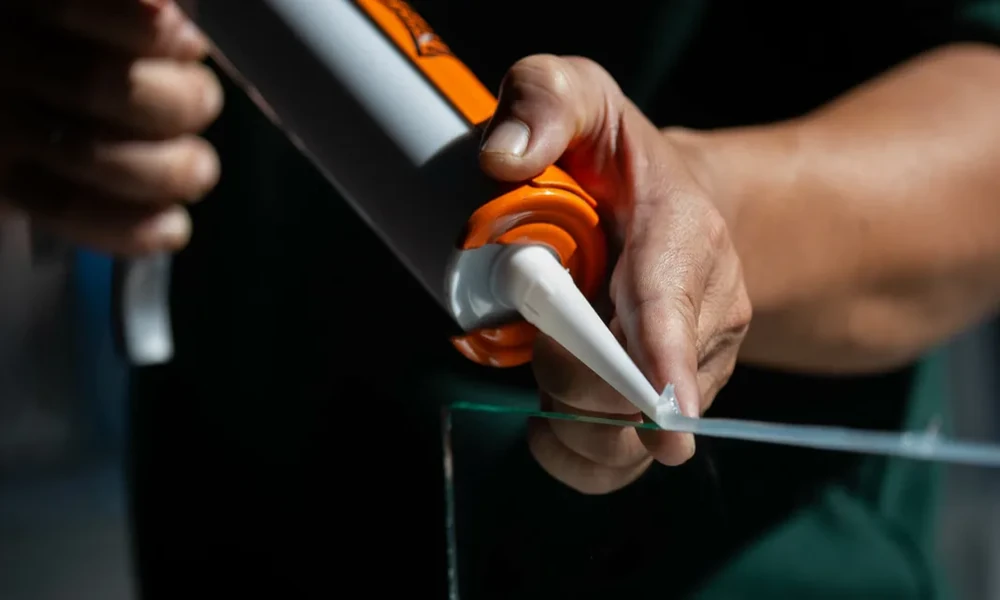
Small gaps around a building can affect its appearance and daily use. A suitable sealant helps close these openings while keeping surfaces neat. The right product depends on the area being repaired and the type of surface involved. Careful preparation also matters. When applied correctly, silicone sealant helps protect joints and make routine maintenance easier for property owners.
Understanding Everyday Sealing Needs
Small openings can develop around windows and door frames as buildings are used. These gaps may allow moisture or outside air to enter. A suitable silicone sealant helps close the space while keeping the joint flexible.
Not every opening needs the same product. A bathroom joint has different needs from an exterior window frame. Checking the surface and surrounding conditions helps determine which option will work best. This simple step can prevent unnecessary repairs later.
Interior Areas Requiring Protection
Inside a building, joints around sinks and bathroom fittings often need attention. Water can collect around these areas during everyday use. Applying the right product helps keep moisture from entering the gaps.
- Bathroom corners need protection from regular water exposure.
- Sink edges benefit from a neat and even finish.
- Window frames gain a cleaner boundary against adjoining walls.
- Door edges can be sealed to reduce unwanted air movement.
- Utility room joints become easier to keep clean.
Exterior Joints Facing Weather
Outside a building, joints around windows and doors need products suited to outdoor use. These areas may expand or contract as conditions change. A flexible product helps maintain the connection between adjoining surfaces.
Before applying anything, check the product label for suitable outdoor applications. Some formulas are intended for indoor repairs only. Using a product made for exterior work helps protect exposed joints and keeps the finish neat.
Selecting Suitable Product Types
Different products are made for different repair tasks. General purpose options can handle everyday household jobs when the surface is compatible. Other types are designed for areas that receive frequent moisture or need extra flexibility.
The label provides useful information about where a product can be applied. It also explains surface preparation and curing time. Taking a moment to read these details helps avoid problems during application.
- General purpose formulas suit compatible household repair jobs.
- Bathroom products are designed for areas exposed to moisture.
- Exterior grades are made for outdoor building joints.
- Flexible options help joints accommodate normal movement.
- Surface specific products suit particular repair requirements.
Preparing Surfaces Before Application
A clean surface makes a difference to the finished result. Dust and grease can prevent a product from bonding properly. Remove loose residue before starting. The area should also be dry when the instructions require it.
Check the opening before applying anything. Larger gaps may need suitable backing support. Follow the manufacturer’s directions for preparation and application. A steady hand helps create an even line along the joint.
Maintaining Clean Finished Joints
A quick inspection during routine cleaning can help identify areas that need attention. Check around windows and bathroom fittings for loose edges or visible gaps. Small repairs are easier when the affected area is noticed early.
A few simple habits can help maintain the finished work:
- Check visible joints during regular household cleaning.
- Wipe away dirt with a suitable cleaning product.
- Inspect exterior edges after periods of heavy rain.
- Keep repair areas dry before applying fresh product.
- Allow curing time before using newly sealed joints.
A suitable choice helps protect building joints while keeping surfaces tidy. Good preparation supports a neat finish. Regular checks make it easier to spot areas that need attention. Following product instructions also helps achieve better results during everyday maintenance.
FAQ
Which surfaces are suitable for silicone sealing products?
They can be used on compatible surfaces around windows and fittings.
Can indoor products be used for exterior building repairs?
Only use products labelled as suitable for outdoor applications.
When can a freshly sealed joint be exposed to water?
Wait until the product has fully cured according to instructions.
