

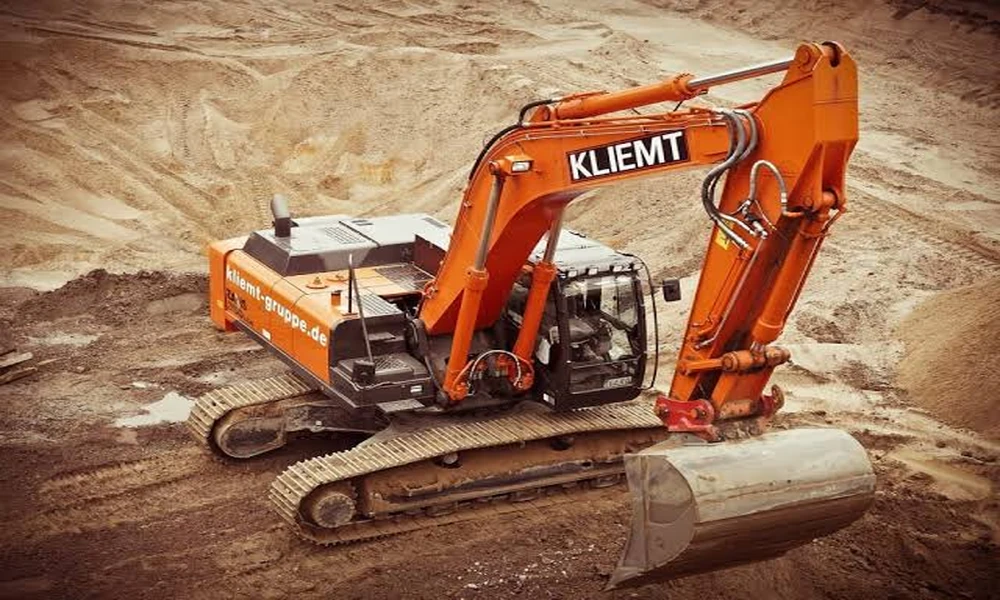
No project manager wants to see a bustling job site grind to a halt because of a broken tool. Rental equipment is meant to make your work smoother, but if it’s neglected, even the best machines can become liabilities. The most successful contractors and DIYers have one thing in common: they treat every rented drill, scissor lift, or pressure washer as if it were their own. That mindset pays off, not just in smoother projects, but in real safety and savings.
Why Proper Maintenance of Rental Equipment Matters
Common Risks of Poor Equipment Maintenance
Every time a tool is handed over at a rental counter, it has a history, sometimes a tough one. If the equipment hasn’t been properly maintained, the next user can face hidden dangers, from overheating engines to loose electrical connections. Small, unnoticed issues can turn into major problems fast, and that’s how accidents happen.
Impact on Safety and Project Efficiency
Even a minor equipment malfunction can cause injuries or force a project to pause while waiting for a replacement. A well-maintained tool allows you to work efficiently and keeps everyone onsite safe. Conversely, skipping basic upkeep can result in sudden breakdowns at the worst possible moments.
Financial Consequences of Neglect
Beyond safety, worn-out or damaged rental tools can inflate costs. Delays lead to overtime, missed deadlines, and sometimes the need to pay for repairs or replacements out of pocket. Protecting your bottom line starts with protecting the equipment itself.
Identifying Key Maintenance Challenges in Rental Equipment
Wear and Tear from Frequent Use
Rental equipment does the rounds. Multiple users, back-to-back jobs, and varying levels of care all take a toll. This frequent handoff increases the risk of cumulative wear going unnoticed.
Exposure to Harsh Working Environments
Construction sites aren’t gentle. Dust, moisture, and extreme temperatures can wreak havoc on sensitive components.
Lack of User Expertise or Training
Not everyone who rents a tool is an expert. If users aren’t familiar with proper operating procedures, they might misuse the equipment, accelerating its deterioration.
Scheduling and Tracking Maintenance on Rental Tools
With tools coming and going, it’s easy for regular maintenance to slip through the cracks, especially if you’re juggling multiple projects.
Essential Daily and Weekly Maintenance Practices
Visual and Functional Inspections Before and After Use
A quick walk-around inspection can catch many problems before they escalate. Look for obvious signs of damage, leaks, or unusual wear. Don’t forget to test all functions and controls.
Cleaning and Lubrication Tips for Different Equipment Types
At the end of each shift, brush off debris, wipe down surfaces, and clean air filters if accessible. Moving parts appreciate a little lubrication, check manuals for the right type.
Checking Fluid Levels, Batteries, and Moving Parts
Fluid checks (oil, hydraulics, coolant) should be routine for engines and powered equipment. For battery-operated tools, inspect for corrosion and ensure full charges.
Proper Storage to Prevent Damage
When not in use, store equipment in a dry, secure place, preferably indoors or under cover. Protect sensitive tools from rain, dust, and direct sunlight whenever possible.
Leveraging Professional Repair Services and Support
When to Use Expert Repair vs. In-House Fixes
Some issues, like a worn blade or a loose screw, can be handled onsite. For anything electrical, engine-related, or involving complex systems, call in professionals. Relying on unqualified repairs is risky.
Benefits of Partnering with Rental Centers Offering Maintenance Services
Choosing a rental partner with in-house maintenance, such as Location Ferrento, means their experts have already vetted and serviced their inventory. You get peace of mind knowing your tools are safe and reliable.
Understanding Warranty and Service Agreements
Always clarify what’s covered before you leave the rental center. Does your agreement include on-site fixes? Will the provider replace a faulty unit quickly? Knowing these details can save headaches later.
Safety Protocols to Follow When Maintaining Equipment
Personal Protective Equipment (PPE) Guidelines
Gloves, safety glasses, and steel-toed boots should be standard whenever you’re inspecting, cleaning, or repairing rental equipment.
Lockout/Tagout Procedures for Repairs
Always disconnect power sources or lock out equipment before any maintenance. This simple step prevents accidental startups and injuries.
Handling Hazardous Materials and Fuels Safely
Store and handle fuels according to manufacturer guidance. Clean up spills immediately, and never work on flammable systems near ignition sources.
Creating a Maintenance Schedule for Rental Equipment
How to Develop a Customized Maintenance Log
Keep a simple log: record when you checked, cleaned, or serviced each tool, along with any issues noted. This habit makes it easier to spot patterns and plan ahead.
Using Technology and Apps to Track Maintenance Tasks
Many contractors use scheduling apps or spreadsheets to set reminders and document maintenance activities. These tools help prevent missed checks, especially on longer rentals.
Aligning Maintenance Schedules with Project Timelines
Schedule heavier maintenance during natural project lulls or just before equipment is due for return. This ensures tools are always ready and minimizes downtime.
Training and Educating Equipment Users
Essential Skills Every Operator Should Know
Even a brief rundown on correct operation, basic troubleshooting, and daily care goes a long way. Ask your rental provider for instruction if you’re unsure.
Providing Quick Reference Guides and Checklists
Keep easy-to-read guides and checklists with each piece of equipment. These serve as reminders and help new users avoid common mistakes.
Encouraging a Safety-First Culture on Site
Reinforce the message: safety and equipment longevity go hand in hand. Set clear expectations that tools are everyone’s responsibility.
Action Steps to Extend Equipment Longevity and Ensure Safety
Start each rental with a walk-through alongside your provider, confirming the tool’s condition and discussing any quirks. Commit to daily cleaning and inspections, and never ignore warning signs. When a tool’s performance dips or you notice a safety risk, report it immediately and arrange for a replacement if needed. Keep all documentation organized, from checklists to repair receipts, for your records and insurance.
Treating rented equipment with respect isn’t just about avoiding penalties, it’s about working smarter, safer, and ensuring your projects finish on time and on budget.
