

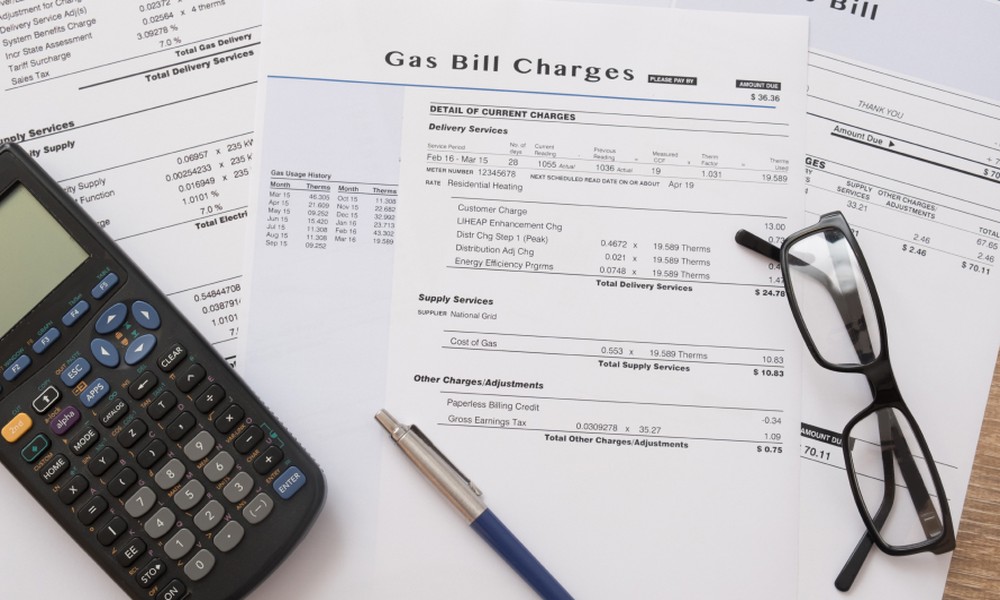
Businesses are subject to varying gas bills based on a variety of variables on a monthly basis. Knowledge of what leads to these fluctuations assists companies to control the cost of energy more efficiently. This guide explains the major considerations in determining monthly business gas bills.
Factors that influence monthly business gas bills
Gas usage and consumption patterns
The highest consideration that influences monthly bills is the use of gas. An increase in consumption translates to an increase in charges. The usage may vary according to business activity and demand of operations.
- Operational demand: More hours of production or longer business hours mean higher gas consumption, and greater monthly bill.
- Seasonal changes: Colder seasons have more heat needs, raising the usage of gas and overall billing levels.
- Peak usage periods: When the demand is high at specific times or days, operation costs will be very high according to the tariff patterns.
- Type of business activity: Gas is used more in the energy-intensive industries, like manufacturing, than it is in businesses that deal with services.
- Efficiencies in equipment: If the equipment is old or in poor state, it consumes more gas raising the overall consumption and cost.
Tariff rates and pricing structures
The rates of a tariff decide the amount to be charged per unit of gas. These rates will be different depending on contracts and location. Knowing the pricing structures will assist companies to deal with expenses in a better manner. Knowing the structure of prices assists businesses to control their costs.
- Fixed tariffs: A fixed price per unit is predictable but might not necessarily reflect market variation.
- Variable tariffs: The rates vary according to the market conditions and they may add or reduce monthly expenses.
- Time-based pricing: There are tariffs with varying prices based on use times, which can affect overall costs during peak hours.
- Contract agreements: Long-term contracts can be cheaper, but provide less flexibility in changing providers.
- Pricing according to location: Gas distribution prices differ depending on the location, and they affect the end tariff to a business.
External factors affecting gas bills
External circumstances can impact the cost and consumption of gas. These aspects are usually not directly under business control. Consciousness aids in planning and budgeting. Different external influences are highlighted by the following:
- Market price changes: Supply and demand of the gas may be affected by the fluctuations in the supply and demand thus earning price at a higher rate or lower rate.
- Weather conditions: Unfavorable weather leads to an increase in heating/cooling demands, which affect gas consumption.
- Government regulations: There can be an increase in costs to the gas bills by policy change or taxes.
- Supply disruptions: Any issues with production or distribution of gas may lead to increase in prices.
- Economic factors: The world energy situation and inflation could affect the gas price in general.
Discussing the frequently asked questions
What is the cause of the increased gas bill this month than it was last month?
Indicate the number of days billed, weather at the time, and the fact whether the meter was read or estimated.
Which will be the optimal gas contract rate?
Compare the prices of several retailers, take into account the pattern of using the business, and the term of the contract.
Can gas equipment be turned off at night and can it save money?
Yes, by cutting the amount of gas consumed when not occupied the consumption is cut and the peak demand which is used to calculate some tariffs is cut.
What is the average difference of gas bill during winter and summer?
Businesses that warm by gas heating can up to a two to four times higher a winter gas bill compared to a summer gas bill.
Will a faulty gas meter make high bills?
Yes, a wrong meter can very easily give inaccurate readings on the amount of gas passing through it and therefore it has to be checked and may have to be replaced by the distributor.
